
Side Zebras
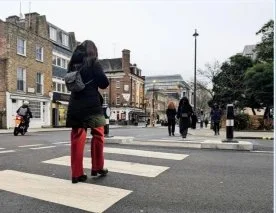
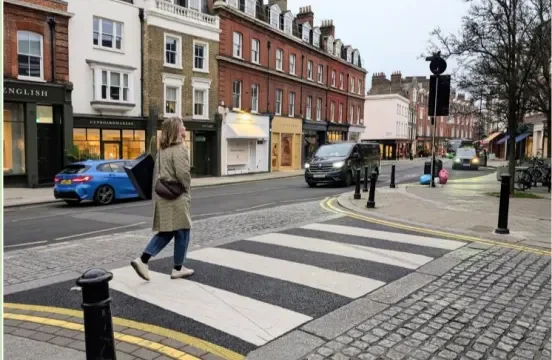
Side zebra in Westminster
Side zebras - a new (and bizarrely contentious) kind of crossing - are painted stripes on the junction of side roads (minus flashing beacons). There are only 11 in London and they’re all in Westminster. Since a change to the highway code in 2022, drivers must give way to pedestrians on ALL side street junctions, but Westminster City Council did its own study of compliance to the new(ish) rule found that 50–75% of drivers did NOT give way to pedestrians. Worrying data also found that not only did 37% of pedestrian fatalities happen at junctions, 50% of serious injuries happen within 20 feet of one.
So can a bit of paint significantly change that? If yes, there would be benefits beyond greater safety. Not only are painted stripes much easier to roll out, they cost a fraction of traditional zebras, which run up to £120,000 to design and install, with London side zebras starting at £5k.
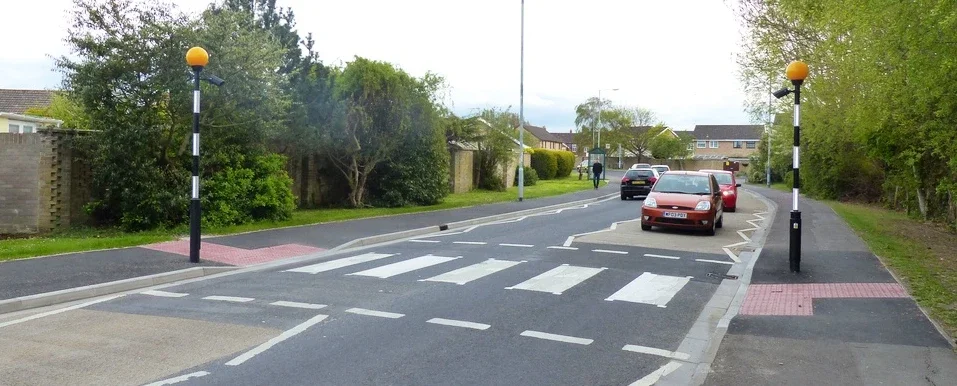
A traditional zebra crossing, with belisha beacons
At the side zebra installed on Great Peter Street/Millbank, peak vehicle flow on the side road is about 250 vehicles per hour, with a peak pedestrian rate of approx. 600 people per hour. As a result of the side zebras, Westminster City Council saw vehicle compliance improve from 50% to 80%.
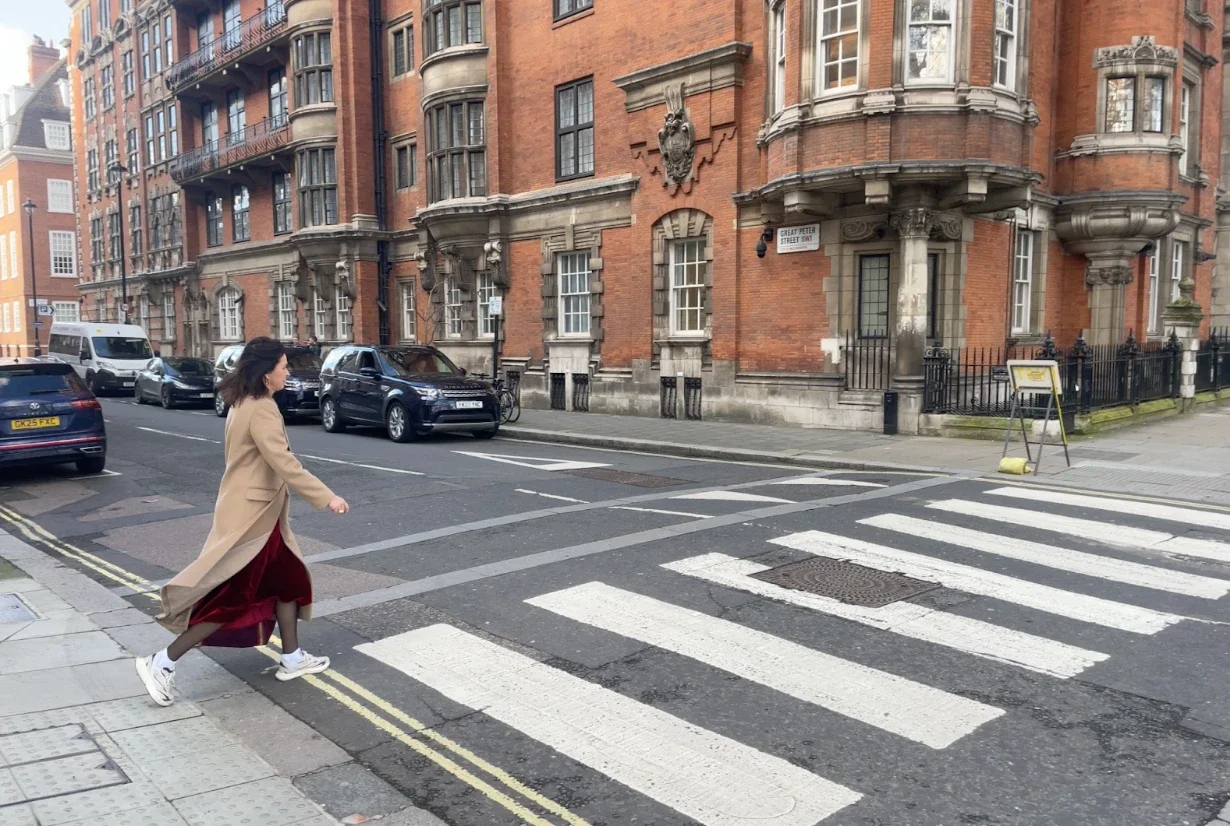
A side zebra on Great Peter Street/Millbank
Horseferry Road and Regency Place is the site of another installation, It's close to a taxi rank, causing a lot of U-turns for black cabs, so a good spot for one. The Westminster City Council survey found compliance improved here from 35% to 85%.
Two side zebras have also been installed by Edgware Road tube station, where 1500+pph use the street to enter/exit the station. Here, there have been staggering compliance improvements, from 20% to 80%. So given these compliance improvements, why the controversy? Although Westminster City Council is trialling them in the borough, the Department of Transport doesn’t currently permit zebras without beacons. But the Welsh government has made the change and there’s hope we will too.
And if side zebras look familiar, it’s because they are! They’re already in frequent use in heavily pedestrian areas like hospitals, universities and car parks - in fact, these are what inspired Councillor Max Sullivan in the first place.
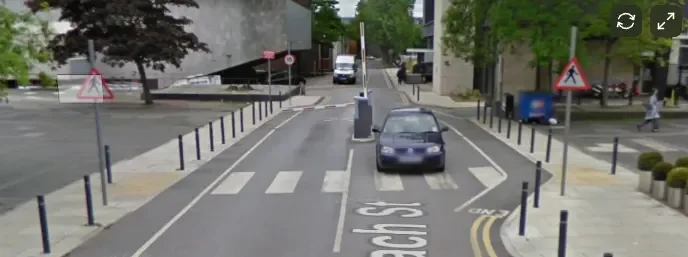
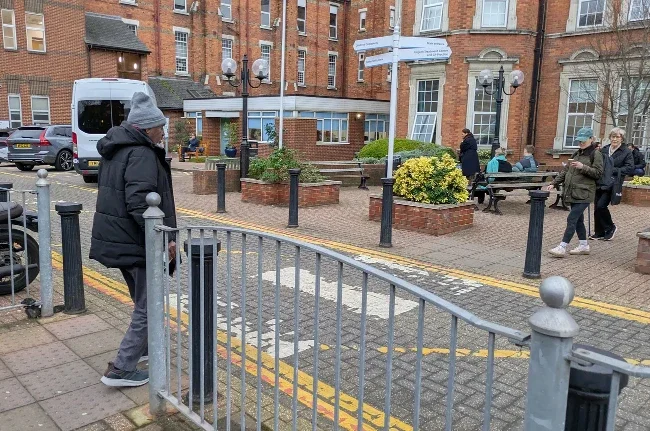
Zebra crossings in car parks that inspired Councillor Sullivan’s work © Max Sullivan’s substack
In Soho - at Wardour St / Old Compton St - 1600pph use the junction, with people spilling off the pavements into the roads. Frighteningly, despite this, drivers giving way to those on foot here had a meagre compliance rate of 30% before the side zebra; this was shocking to considering such an obvious dominance of pedestrian traffic.
So, what happened after the stripes were painted..? Vehicle compliance doubled to 60%. Still room for improvement - perhaps because the road markings in Soho looked pretty tired (pictured below is a fresher job on Ebury St /Pimlico Rd).
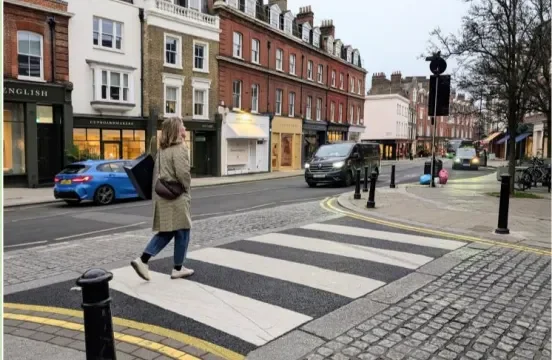
A side zebra on Ebury Street/Pimlico Road
We think side zebras are a huge benefit for all mammals in the concrete jungle! Overall compliance was up 50+% across the scheme and 93% of pedestrians were in favour, too. And when safety is improved, active travel normally flourishes. This means encouraging more kids to walk to school safely and locals to make more short trips on foot (setting up great habits for life).
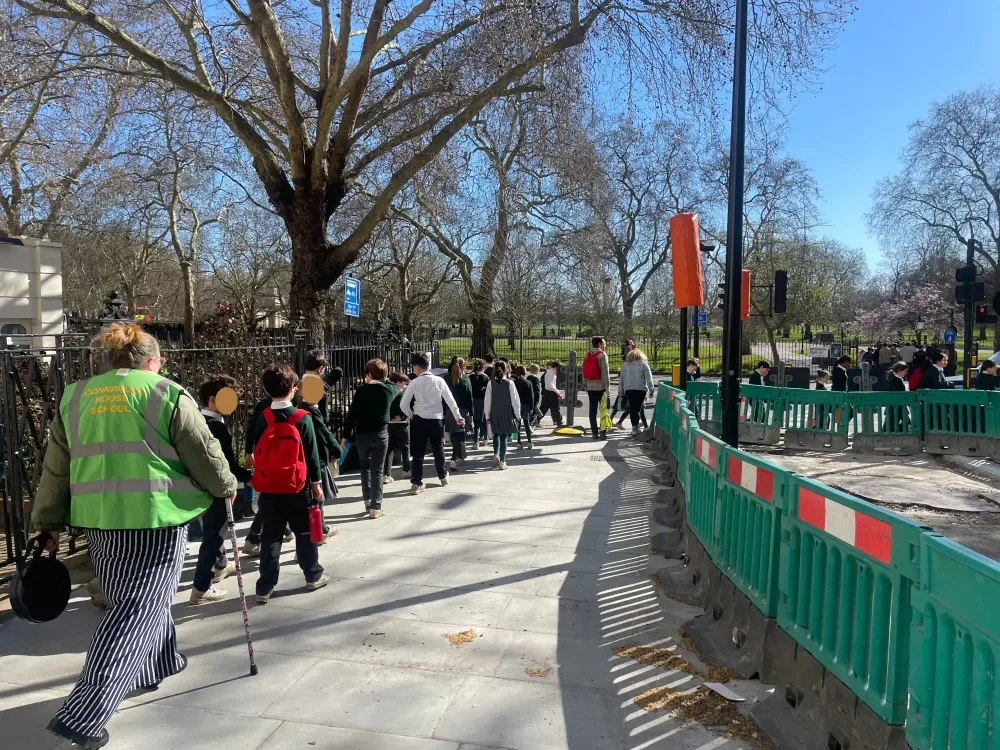
Everyone benefits from not just side zebras, but from all cycling infrastructure plans because new/updated cycleways often means that curbs, pavements, sightlines, markings and bus stops are adapted to be more safe and accessible. Another reason to support more changes in this borough and across the city!
Do you live, work or study in Westminster, or cycle in the area? Westminster Cycling Campaign needs YOU!
Help us to make our vision come true - of a Westminster where anyone can safely cycle any journey. Find out how you can get involved to win safer streets for everyone, from handing out flyers to designing them, helping out on bike rides to organising events.
Email westminster@lcc.org.uk to find out more, or click here to join our mailing list.